
Community Food Donation Programs: Creating Reliable Food Support for Families in Need
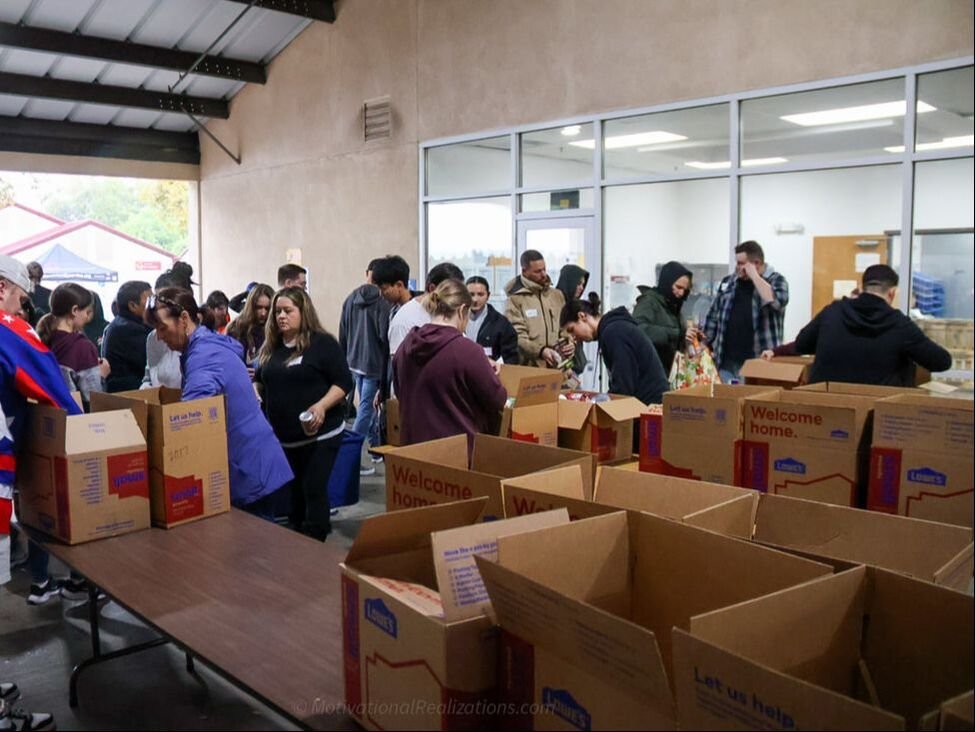
A family’s ability to put nutritious meals on the table often depends on more than household income. Unexpected expenses, reduced working hours, rising childcare costs, and seasonal employment changes can quickly disrupt grocery budgets. For households already managing limited financial resources, even a temporary setback can create serious food shortages. Community food donation programs help bridge these gaps by establishing dependable systems that connect available food resources with families experiencing hardship. Their value extends beyond emergency grocery assistance because they create organized networks that respond to changing community needs. Building Reliable Food Assistance Networks Effective food donation programs require coordination between multiple community partners. Rather than depending entirely on occasional contributions, successful initiatives develop consistent relationships with grocery suppliers, neighborhood organizations, educational institutions, and individual donors. These partnerships help maintain a predictable supply of essential groceries throughout the year. Community organizations can establish regular collection schedules, coordinate inventory management, and identify households requiring continued assistance. Reliable distribution systems are especially important when economic conditions create sudden increases in demand. Programs with established partnerships can often respond more efficiently because they already have communication channels, storage arrangements, and distribution procedures in place. Addressing the Hidden Challenges of Working Families Food insecurity does not exclusively affect unemployed individuals. Many working households experience financial pressure despite maintaining regular employment. Housing payments, transportation expenses, insurance costs, and childcare obligations can leave limited money for groceries. Families with unpredictable work schedules may experience additional difficulties because their monthly earnings fluctuate. During periods of reduced income, purchasing enough nutritious food becomes increasingly challenging. Organizations supporting food donation in Denver can help address these circumstances by providing grocery assistance to households experiencing temporary or ongoing financial difficulties. Accessible food support can help working families manage essential expenses without sacrificing their nutritional needs. Recognizing these challenges also helps communities understand that food insecurity is not always visible and can affect households across different employment and income situations. Developing Family-Focused Food Distribution Programs Different households have different nutritional requirements, making flexibility an important part of effective food assistance. Families with young children may need milk, cereal, and other age-appropriate foods, while older adults may require products that are easier to prepare or accommodate dietary restrictions. Family-focused distribution programs consider household size, nutritional preferences, and available cooking facilities when organizing food packages. Some initiatives allow recipients to select groceries rather than receiving identical packages. This approach can reduce unwanted items while helping households prepare meals that match their needs. Providing practical food choices also supports independence and encourages families to make decisions about their own nutrition. Strengthening Food Assistance During School Breaks School meal programs provide important nutritional support for many children during the academic year. However, school vacations can create additional grocery expenses for households that depend on these meals. Community food donation initiatives can help address seasonal gaps by organizing special grocery distributions during summer vacations, winter breaks, and other extended school closures. Partnerships with schools, youth organizations, and community centers can improve awareness of available assistance. These collaborations also help identify families who may benefit from additional grocery support during periods when school meals are unavailable. By preparing for predictable seasonal needs, organizations can reduce disruptions in children’s access to nutritious food. Using Community Data to Improve Food Distribution Understanding local food assistance needs helps organizations allocate resources more effectively. Community programs can examine distribution patterns, household participation, seasonal demand, and frequently requested grocery items to identify areas requiring additional attention. For example, increased demand in a particular neighborhood may indicate transportation barriers, population changes, or growing financial pressures. Organizations can use this information to adjust distribution schedules or establish additional access points. Collecting feedback from participating families is equally valuable. Recipients can identify practical challenges, suggest useful food items, and recommend improvements that make assistance more convenient. Responsible data collection should also protect personal information and maintain the confidentiality of households receiving support. Creating Emergency Food Assistance Plans Unexpected events such as severe weather, temporary business closures, or sudden household emergencies can increase demand for food assistance. Community organizations benefit from preparing emergency response plans before these situations occur. Maintaining reserve supplies of shelf-stable groceries, establishing backup distribution locations, and coordinating transportation resources can improve emergency readiness. Local businesses and volunteers can contribute by offering temporary storage, delivery assistance, or additional financial support when demand increases. Preparation allows organizations to respond quickly while continuing regular services for families already depending on food assistance. Encouraging Monthly Giving and Long-Term Commitments Occasional food drives can generate valuable contributions, but consistent support is necessary for maintaining reliable assistance programs. Monthly donations and recurring community partnerships provide organizations with greater predictability when planning grocery purchases and distribution activities. Financial contributions can be particularly useful because organizations may purchase specific food products according to current demand. Regular donors can also participate through workplace giving programs, neighborhood collection initiatives, or scheduled volunteer commitments. Long-term participation creates stronger relationships between community members and food assistance organizations. It also allows programs to plan future services with greater confidence. Measuring the Real Impact of Food Donation Programs The success of community food donation programs should be evaluated through more than the total amount of food collected. Organizations can also consider how consistently families receive assistance, whether distributed groceries meet household needs, and how easily residents can access available services. Tracking these outcomes helps identify opportunities for improvement and encourages responsible resource management. Feedback from families can reveal whether distribution schedules, food selections, and communication methods are working effectively. Sharing meaningful program outcomes with donors and volunteers can strengthen public trust while encouraging continued participation. Conclusion Community food donation programs play an important role in helping families navigate financial uncertainty and maintain access to essential groceries. Their effectiveness depends on reliable partnerships, flexible distribution methods, seasonal planning, emergency preparedness, and meaningful community involvement. By focusing on household needs and improving the systems behind food assistance, communities can create more dependable support networks. Consistent contributions and thoughtful program management help ensure that families experiencing food insecurity … Read more