
Planning Earthmoving Projects With Excavators In Chesapeake
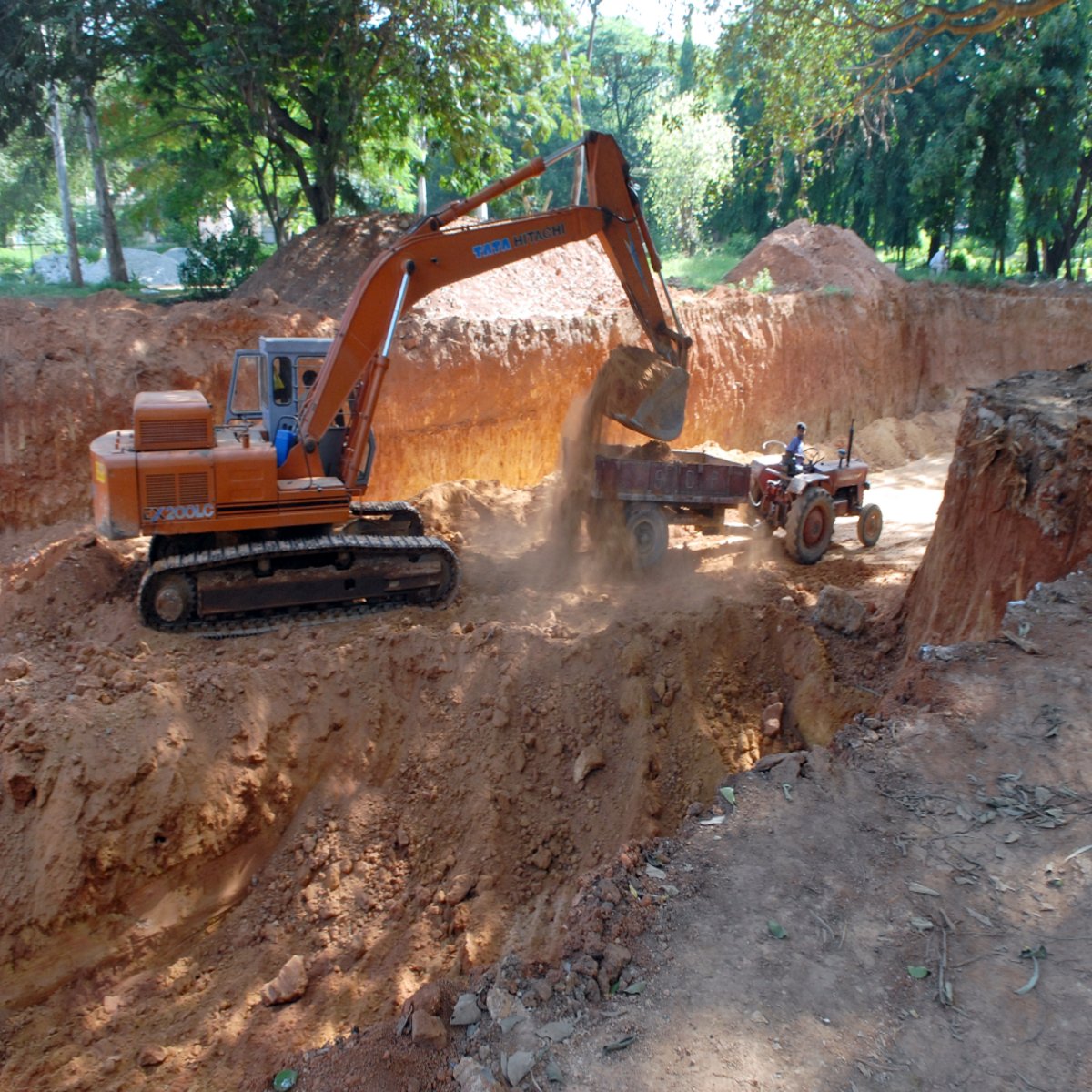
Earthmoving is one of the most important stages of many construction and land development projects. Before foundations can be poured, utilities installed, drainage systems developed, or landscaping completed, the ground often needs significant preparation. In Chesapeake, projects can range from residential site work to commercial development and infrastructure improvements, making careful equipment planning essential. Excavators play a central role in this work because they can handle digging, trenching, material movement, grading support, and many other demanding tasks. However, productive earthmoving involves more than simply bringing heavy equipment onto a site. Contractors need to consider site conditions, machine size, attachments, project sequencing, and operating requirements before work begins. Evaluate The Site Before Selecting Equipment A detailed site assessment should be one of the first steps in an earthmoving plan. The size of the work area, access points, terrain, soil conditions, underground utilities, overhead obstacles, and available space for equipment movement can all influence machine selection. A large excavator may provide substantial digging capacity, but it may not be practical on a restricted site. Conversely, selecting equipment that is too small can result in longer digging cycles and reduced productivity. Contractors considering Volvo excavators in Chesapeake should therefore match the machine to the actual demands of the project rather than focusing on size alone. Digging depth, lifting requirements, reach, operating weight, and bucket capacity are all worth evaluating before equipment arrives at the site. Define The Scope Of Earthmoving Work Not every earthmoving project requires the same type of excavation. Some projects primarily involve removing large volumes of soil, while others require narrow trenches for water, sewer, electrical, or other utility lines. Clearly defining the work helps determine how the excavator will be used throughout the project. Contractors should estimate excavation quantities, expected depths, material types, and where excavated soil will be placed. This preparation also helps coordinate excavators with loaders, trucks, compactors, and other equipment. When each machine has a clearly defined role, unnecessary movement around the site can be reduced. Choose Attachments For Specific Tasks One advantage of excavators is their ability to perform different jobs with suitable attachments. Standard buckets work well for many digging operations, but specialized attachments can make particular tasks more efficient. Different bucket widths can support trenching, cleanup, or bulk excavation. Hydraulic breakers may be useful when hard materials need to be removed, while grapples can assist with handling debris or irregular materials. Planning attachments before the project begins can prevent delays caused by having the wrong equipment available when the nature of the work changes. Consider Access And Equipment Movement Chesapeake earthmoving projects can take place in very different environments. An open development site offers considerably more operating room than a residential property, roadside work zone, or established commercial location. Equipment access should be reviewed before delivery. Contractors need sufficient room for unloading, maneuvering, and safely positioning an excavator. Ground stability is another important consideration, particularly where equipment must travel across recently disturbed soil. The location of stockpiles should also be planned carefully. Poorly positioned soil piles can restrict excavator movement and create additional material handling later in the project. Coordinate Excavation With Material Hauling Excavators are only one part of an efficient earthmoving operation. When significant amounts of soil must be removed from a property, hauling capacity needs to keep pace with excavation. If trucks are unavailable when the excavator is ready to load, the machine may spend valuable time waiting. Too many trucks arriving simultaneously can create congestion. A coordinated hauling schedule helps maintain a steady workflow. Contractors can estimate excavator production rates and organize truck movements accordingly, allowing excavated material to leave the site without unnecessarily interrupting other activities. Account For Underground Utilities Digging should never begin without considering existing underground infrastructure. Utility locations need to be identified before excavation starts, particularly during trenching and site preparation work. Project plans should clearly communicate known utility locations to equipment operators. Areas requiring additional caution may need different excavation methods or closer supervision. Careful utility planning protects workers and infrastructure while helping prevent unexpected interruptions that can affect the construction schedule. Build Flexibility Into The Schedule Even detailed earthmoving plans can encounter unexpected conditions. Soil may behave differently than anticipated, weather can affect ground stability, and underground obstacles may be discovered during excavation. Building some flexibility into the schedule gives contractors room to respond without disrupting every stage that follows. Equipment availability should also be considered when establishing project timelines, particularly when machines are being rented for a defined period. Keep Productivity And Safety Connected Fast excavation is useful only when work is carried out in a controlled manner. Equipment movement, workers on foot, haul trucks, changing ground conditions, and open excavations all need to be considered as part of daily operations. Clear communication and organized traffic patterns can help keep the site productive while reducing unnecessary equipment interactions. Regular equipment checks are equally important for identifying potential issues before they cause downtime. Conclusion Successful earthmoving in Chesapeake starts well before the first bucket enters the ground. Site assessment, excavator selection, attachment planning, hauling coordination, utility awareness, and realistic scheduling all contribute to smoother operations. By matching excavator capabilities with actual site requirements and organizing supporting activities around the excavation process, contractors can reduce delays and make better use of equipment. Thoughtful planning ultimately creates a more efficient foundation for everything that follows on the construction site.